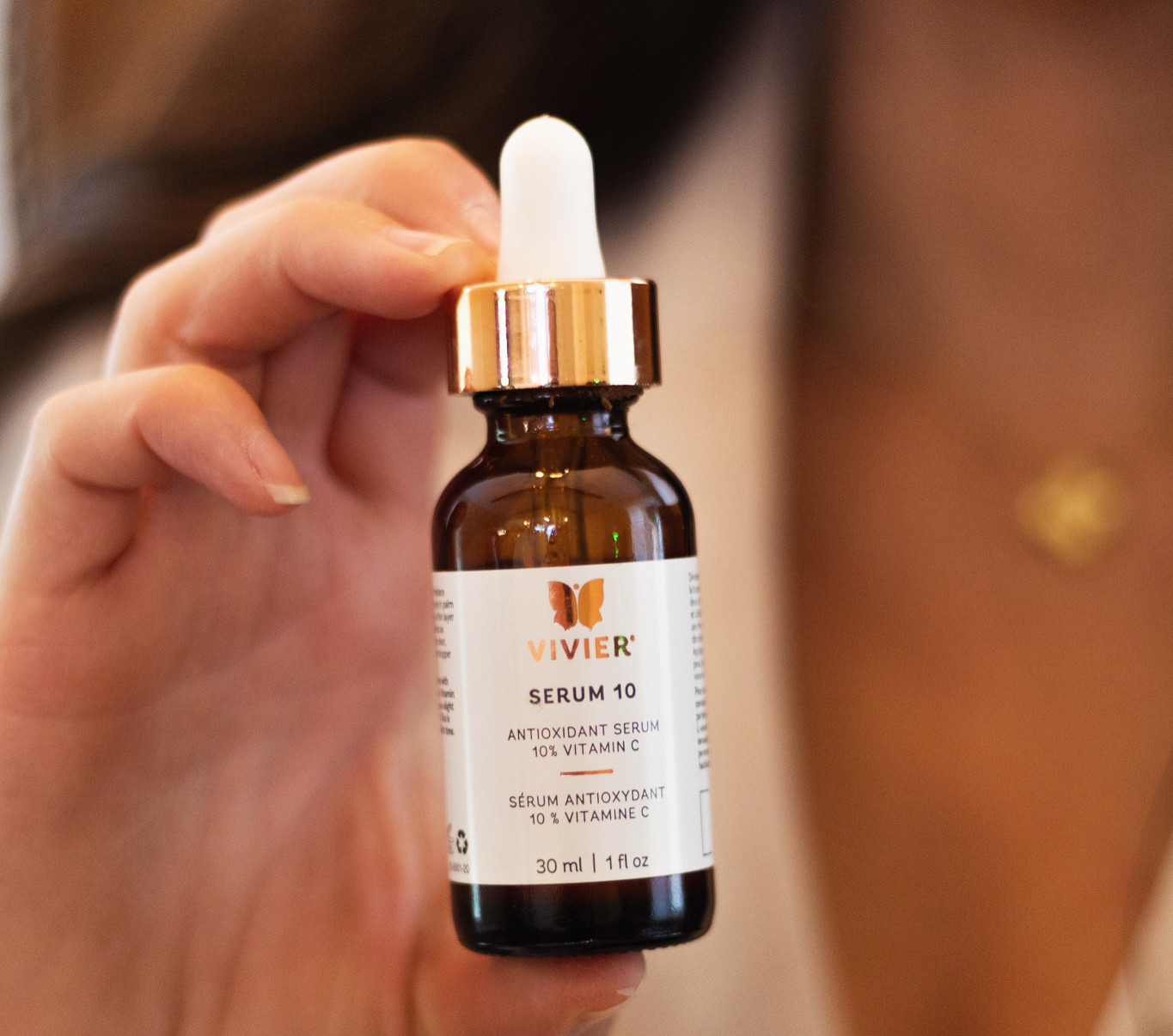
Serum 10 by Vivier Skincare Gentle Vitamin C for Sensitive Skin

Vitamin C has a strong reputation in skincare, but it can also be one of the trickiest ingredients to start. Some formulas sting. Others pill under sunscreen. A few oxidize before the bottle is finished. For sensitive skin, that makes the “brightening serum” category feel less simple than it sounds.
Serum 10 by Vivier Skincare is built for people who want the benefits of topical vitamin C without jumping straight into a high-strength formula. Its key ingredient is 10% L-Ascorbic Acid USP, a pure, bioavailable form of vitamin C that dermatology research has long linked with antioxidant protection, support for collagen production, and improvement in the look of uneven tone.
That does not mean it is magic in a bottle. It does mean the formula takes a sensible approach: a moderate vitamin C concentration, a focused ingredient story, and a profile that suits many skin types, including sensitive skin.
Why vitamin C matters in a daily skincare routine
Topical vitamin C is best known as an antioxidant. In practical terms, antioxidants help defend the skin from free radicals, unstable molecules produced by everyday stressors such as UV exposure and pollution. Free radicals can contribute to visible signs of skin ageing, including dullness, uneven tone, and fine lines.
Vitamin C also plays a role in collagen formation. Collagen is a structural protein that helps skin look firm and smooth. The body naturally makes collagen, but production slows with age, and UV exposure can break collagen down faster. This is one reason dermatologists often recommend antioxidant serums as part of a morning routine, especially under sunscreen.
The best-supported form of topical vitamin C is L-ascorbic acid. It is the biologically active form, which means the skin can use it directly. The tradeoff is that L-ascorbic acid can be less stable than some vitamin C derivatives and may irritate some people, especially at higher concentrations.
That is where concentration matters. Many vitamin C serums range from mild starter strengths to stronger professional-style formulas. A 10% L-ascorbic acid serum sits in a useful middle zone. It is high enough to be meaningful for antioxidant and brightening support, yet more approachable than formulas with 15% or 20% L-ascorbic acid.
For skin that reacts easily, this balance can make a real difference.
What makes Serum 10 different from stronger vitamin C formulas
The name says a lot. Serum 10 uses 10% L-Ascorbic Acid USP as its central active ingredient. USP stands for United States Pharmacopeia, a quality standard used for ingredient identity, strength, purity, and consistency. In skincare, this kind of detail matters because vitamin C formulas can vary widely in quality.
A higher percentage is not always better. The skin barrier, the outermost layer that helps hold moisture in and irritants out, can become stressed by too many active ingredients at once. People often run into trouble when they start vitamin C, retinoids, exfoliating acids, and strong cleansers in the same routine.
Serum 10’s appeal is that it offers a more measured entry point. It is designed for:
People new to vitamin C
Sensitive or reactive skin types
Early signs of ageing
Dullness or uneven-looking tone
Fine lines that are just starting to become noticeable
Anyone who wants antioxidant support without a very aggressive formula
The formula’s simplicity is also part of the appeal. Many modern serums combine several exfoliants, brighteners, hydrators, and botanicals in one bottle. That can be helpful for some skin types, but it also makes it harder to know what caused a reaction if irritation appears.
A more focused vitamin C serum gives skin fewer variables to process.
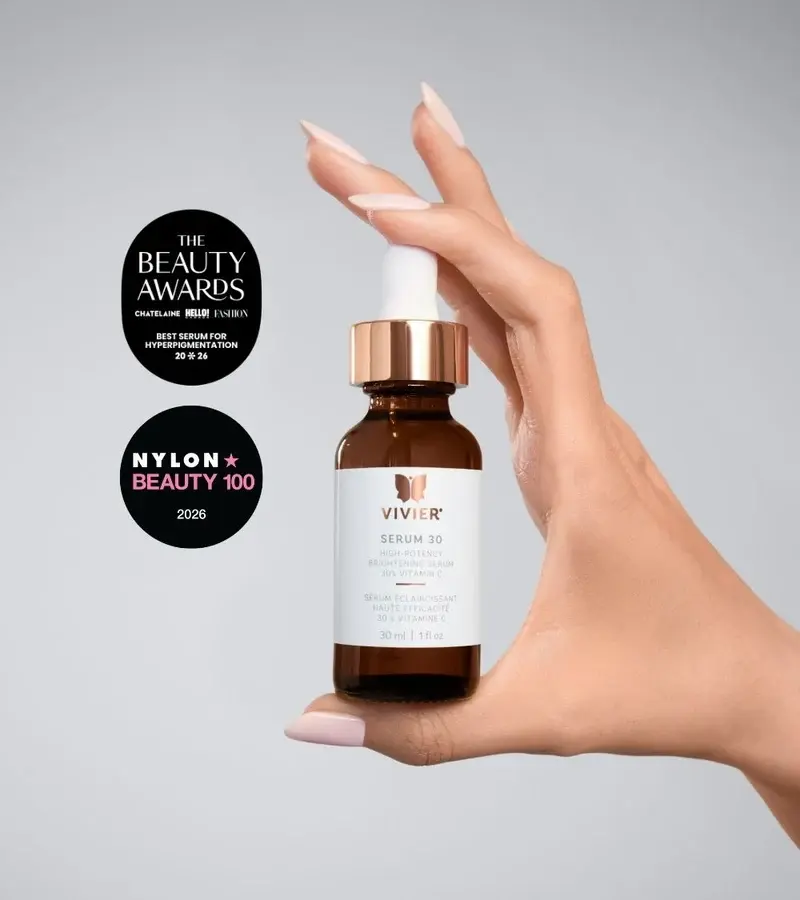
How Serum 10 targets fine lines and uneven skin tone
Vitamin C is often marketed as a glow ingredient, but its benefits are more specific than that. A well-formulated L-ascorbic acid serum can support the look of smoother, brighter, more even skin when used consistently.
It helps defend against environmental stress
Daily UV exposure is one of the main causes of visible skin ageing. Sunscreen remains the most important step for protection, but antioxidants can add another layer of support. Vitamin C does not replace SPF. It works best alongside it.
A common morning routine pairs vitamin C serum with broad-spectrum sunscreen. This pairing makes sense because sunscreen helps reduce UV damage, while antioxidants help neutralize some free radical activity caused by environmental exposure.
For Canadian routines, this matters year-round. UV levels vary by province, season, altitude, and weather, but UVA rays can still affect skin through cloud cover and windows. A vitamin C serum in the morning can fit well under daily SPF, even outside summer.
It supports a smoother look over time
Fine lines form for many reasons: age, repeated facial movement, dryness, UV exposure, and collagen changes. Vitamin C supports collagen synthesis in the skin, which is one reason it appears so often in anti-ageing skincare.
That said, collagen support is gradual. A serum will not erase established lines overnight. The more reasonable expectation is a slow improvement in the look of texture, radiance, and firmness with consistent use.
This is especially true for early signs of ageing. When fine lines are just starting to appear, a steady routine with vitamin C, moisturizer, and sunscreen can help skin look fresher and more resilient.
It can brighten the look of dark spots
Uneven tone and hyperpigmentation can come from sun exposure, post-acne marks, hormonal changes, or irritation. Vitamin C can help improve the look of discolouration by interfering with steps involved in melanin production.
Results vary. Dark spots often take weeks or months to fade, especially if sun exposure continues. This is why sunscreen is non-negotiable when using brightening skincare. Without SPF, pigmentation can return or darken, even if the serum itself is effective.
A useful rule: vitamin C helps brighten, but sunscreen helps protect the progress.
Serum 10 may suit people dealing with mild dullness, early uneven tone, or post-blemish marks. Deeper melasma or persistent pigmentation may need a dermatologist-guided plan.

How to use Serum 10 without overwhelming sensitive skin
Even gentle active skincare deserves a careful start. Sensitive skin often reacts less to one ingredient and more to the total load of a routine. The goal is to introduce Serum 10 in a way that protects the skin barrier.
Start with clean, dry skin. After cleansing, apply a small amount of serum before moisturizer. If using it in the morning, follow with broad-spectrum sunscreen.
A simple order looks like this:
Gentle cleanser
Serum 10
Moisturizer
Broad-spectrum SPF in the morning
For the first two weeks, use it every other morning rather than daily. If skin feels comfortable, increase to daily use. If stinging, redness, tightness, or flaking appears, reduce frequency or pause until the skin settles.
A patch test is also sensible. Apply a small amount to an area such as the side of the neck or behind the ear for a few days before using it on the full face. This does not guarantee zero reaction, but it can catch obvious sensitivity early.
Be careful when pairing vitamin C with other active ingredients. Many people can eventually use vitamin C with retinoids or exfoliating acids, but starting them all at once raises the chance of irritation.
Best paired with | Use caution with |
Gentle cleanser | Strong exfoliating acids |
Barrier-supporting moisturizer | New retinoids introduced at the same time |
Broad-spectrum sunscreen | Harsh scrubs or stripping cleansers |
Hydrating ingredients such as glycerin or hyaluronic acid | Too many brightening products layered together |
Storage matters too. L-ascorbic acid can oxidize when exposed to air, light, and heat. Keep the bottle tightly closed, away from direct sunlight, and avoid leaving it in a hot bathroom or near a window.
If a vitamin C serum turns dark brown, smells strongly metallic, or changes texture, it may be oxidized. Some colour change can happen over time, but major changes are a sign to stop using it.
Who is most likely to benefit from Serum 10
Serum 10 is not only for sensitive skin, but that is where its positioning makes the most sense. A 10% L-ascorbic acid formula often suits people who want a real vitamin C step without using the strongest option available.
It may be a good fit for skin that is:
Normal, dry, combination, or sensitive
Prone to dullness
Starting to show fine lines
Uneven in tone due to mild discolouration
New to antioxidant serums
Easily irritated by high-strength active ingredients
It may not be the best first choice for someone who already uses stronger vitamin C comfortably and wants a more intensive formula. It may also be too active during a flare of eczema, rosacea, or a damaged skin barrier. In those cases, calming and repairing the barrier should come first.
Pregnancy and breastfeeding skincare questions should be discussed with a qualified health professional. Vitamin C is commonly used in topical skincare, but personal medical context matters.
This article is for general information only and does not replace medical advice from a dermatologist, physician, or other qualified health provider.
What realistic results look like
Skincare works best when expectations are grounded. With Serum 10, the most realistic changes are gradual improvements in brightness, texture, and overall evenness.
Some people notice a fresher look within a few weeks, especially if dullness is related to dehydration or lack of antioxidant care. Dark spots and fine lines usually take longer. Skin turnover, pigmentation depth, sun exposure, and routine consistency all affect the timeline.
A fair way to judge results is to take a photo in the same lighting once every two to four weeks. Daily mirror checks can make progress hard to see. Photos give a more honest view of changes in tone and texture.
The biggest mistake is adding too many new products because results are not instant. If the routine already includes cleanser, Serum 10, moisturizer, and sunscreen, give it time. A steady routine often beats a crowded one.
The takeaway on Serum 10
Serum 10 by Vivier Skincare is a thoughtful vitamin C option for people who want antioxidant support without starting with a high-strength formula. Its 10% L-Ascorbic Acid USP gives it a clear purpose: support brighter-looking skin, help soften the look of early fine lines, and fit into a routine that sensitive skin can often tolerate.
The formula still deserves respect. Start slowly, pair it with moisturizer, use sunscreen every morning, and avoid layering it with too many strong actives at the beginning.
For sensitive skin, the best vitamin C serum is not always the strongest one. It is the one that can be used consistently, comfortably, and with the rest of the routine working in its favour.

Comments