Why Lemon Water in the Morning May Support Clearer, Healthier Skin

Clearer skin rarely comes from one miracle habit. It usually comes from a set of small, steady choices: enough water, balanced meals, gentle skin care, good sleep, and knowing what triggers breakouts. Morning lemon water can fit into that picture.
A glass of water with fresh lemon is simple, affordable, and easy to make. It will not “detox” your body in the dramatic way wellness trends often suggest, and it will not cure acne on its own. Your liver, kidneys, gut, and skin already handle waste removal every day.
What lemon water may do is more modest, and more realistic. It can help you hydrate early, provide a small amount of vitamin C, support a skin-friendly routine, and replace drinks that may be less helpful for acne-prone skin.
This article is for general information only and is not medical advice. Persistent, painful, or scarring acne is best discussed with a doctor, dermatologist, or qualified health professional.
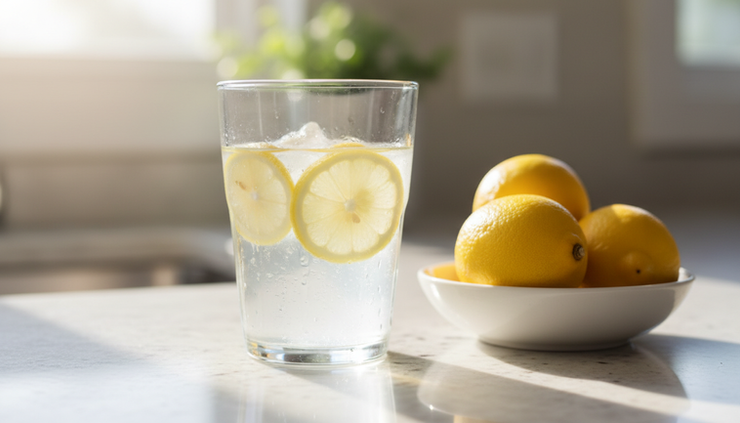
Lemon water supports hydration, and hydrated skin functions better
Skin is an organ, and like every organ, it needs water to work well. Drinking lemon water in the morning can be a practical way to start the day hydrated, especially for people who wake up feeling dry, puffy, or sluggish.
Hydration does not erase acne. Acne forms when oil, dead skin cells, bacteria, inflammation, and hormones interact inside the pore. Water alone cannot fix that process. Still, adequate hydration supports the skin barrier, which is the outer layer that helps keep moisture in and irritants out.
When the skin barrier is stressed, skin can feel tight, rough, flaky, or more reactive. That can make acne routines harder to tolerate, especially if they include ingredients such as benzoyl peroxide, salicylic acid, adapalene, or prescription treatments. A well-hydrated body supports skin that is better able to handle everyday stress.
Morning lemon water may help because it makes plain water more appealing. Many people know they should drink water but find it boring. A squeeze of lemon adds flavour without turning the drink into pop, juice, or a sweet coffee drink.
That matters for skin health. Sugary drinks can contribute to sharp changes in blood sugar. For some people, high-glycemic eating patterns may be linked with more acne activity. The connection is not the same for everyone, but swapping a sugary morning drink for water with lemon is a reasonable, low-risk change.
A simple morning glass can also help with consistency. If lemon water is the first drink you have after waking, it becomes a cue. It tells the body, and the brain, that the day is starting with care rather than stress.
Lemon provides vitamin C, which plays a role in healthy skin
Lemons contain vitamin C, an antioxidant nutrient that supports many normal body functions. Skin health is one of them.
Vitamin C helps the body make collagen, a structural protein that gives skin firmness and helps with normal repair. It also helps protect cells from oxidative stress, which can come from sun exposure, pollution, smoking, poor sleep, and everyday metabolism.
A glass of lemon water is not a high-dose vitamin C supplement. The amount depends on how much lemon juice is added. Half a lemon in water offers some vitamin C, but it should not be treated as a full replacement for a balanced diet.
For skin, vitamin C is best supported through a range of foods, including:
Citrus fruit such as oranges, lemons, limes, and grapefruit
Strawberries and kiwi
Bell peppers
Broccoli and Brussels sprouts
Potatoes and sweet potatoes
Leafy greens
Still, lemon water can add a small daily boost. When paired with vitamin C-rich meals, it becomes part of a broader pattern that supports healthier skin over time.
There is another benefit: lemon water can encourage a fresher-tasting morning routine without relying on heavily sweetened drinks. That small choice can support skin indirectly by reducing excess sugar intake and improving hydration.

It may help create a calmer morning routine, which can matter for acne
Acne is not caused by stress alone. That idea is too simple. But stress can affect hormones, sleep, inflammation, and skin-picking habits, all of which can make breakouts harder to manage.
A morning lemon water habit gives you a small pause before the day gets busy. That pause can be useful. It can become a moment to take medication, apply sunscreen, prepare a balanced breakfast, or simply avoid rushing straight into caffeine.
This is where the habit may be more powerful than the drink itself.
A skin-friendly morning routine might look like this:
Drink a glass of lemon water.
Eat a breakfast with protein, fibre, and healthy fats.
Cleanse gently if needed.
Apply acne treatment as directed.
Use moisturizer.
Finish with broad-spectrum sunscreen.
The lemon water is not doing all the work. It is acting as a starting point. One healthy habit often makes the next one easier.
This matters because acne care rewards consistency. Many evidence-based acne treatments take weeks to show visible improvement. Skipping applications, over-scrubbing, or changing products too often can irritate the skin and blur what is working.
A calm morning routine can reduce that cycle. It supports patience, which is one of the most underrated parts of acne care.
Lemon water may support acne-prone skin by replacing less helpful drinks
The most realistic skin benefit of lemon water may come from what it replaces.
Many common morning drinks are high in sugar or can become sugar-heavy once syrups, flavoured creamers, and sweet toppings are added. For people with acne-prone skin, a lower-sugar routine may be worth trying.
Research suggests that high-glycemic diets may worsen acne in some people. High-glycemic foods and drinks digest quickly and can lead to faster rises in blood sugar. This may influence insulin and related hormones that can affect oil production and inflammation.
This does not mean one sweet drink causes acne. It also does not mean everyone with acne must avoid all sugar. Skin is more complicated than that.
But if breakouts are a concern, it can help to look at daily patterns. A morning drink is a good place to start because it happens so often.
A sweetened iced drink most mornings
Pop or fruit punch with little fibre
Multiple sugary coffees per day
Skipping water until lunch
Lemon water with breakfast
Water with lemon and whole fruit
One coffee plus water earlier in the morning
Hydrating shortly after waking
Lemon water has a bright flavour without much sugar when made with fresh lemon juice and plain water. That makes it a good option for people who want something more interesting than plain water but do not want a sweet drink first thing.
For acne-prone skin, the goal is not perfection. The goal is a routine that reduces common triggers where possible while still feeling realistic.
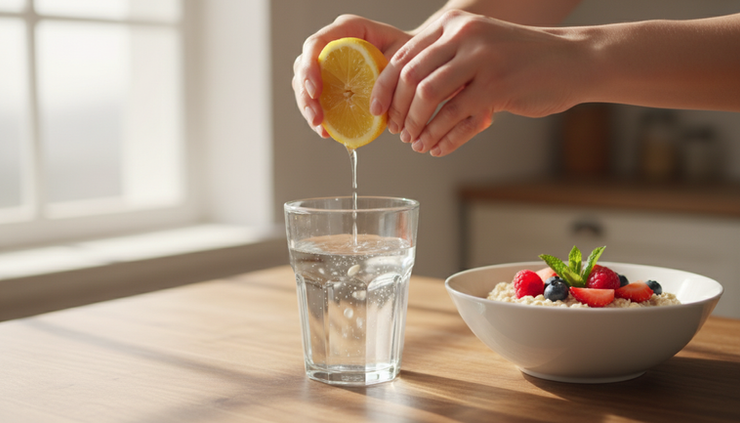
Lemon water is not a detox, and it will not cure acne
Lemon water is often described online as a detox drink. That claim needs care.
Your body detoxifies itself through normal biological systems, especially the liver and kidneys. Lemon water does not flush acne out of the skin. It does not cleanse the blood. It does not balance hormones overnight.
That does not make it useless. It just means the benefit is practical, not magical.
For acne, proven approaches usually involve one or more of the following:
Gentle cleansing
Non-comedogenic moisturizer
Daily sunscreen
Benzoyl peroxide
Salicylic acid
Topical retinoids
Prescription creams or gels
Hormonal treatment when appropriate
Oral medication for moderate to severe cases
Diet and lifestyle can also help, but they work best alongside the right skin care plan. If acne is deep, painful, widespread, or leaving marks, early professional care can reduce the risk of scarring.
Lemon water may support clearer-looking skin as part of a wider routine. It should not replace acne medication, dermatologist advice, or sunscreen. It also should not be applied directly to the face.
That last point matters. Lemon juice on the skin can cause irritation, burning, dryness, and increased sensitivity to sunlight. Some people develop a reaction called phytophotodermatitis when citrus juice on the skin is exposed to UV light. Drinking diluted lemon juice in water is very different from using lemon juice as a facial treatment.
Keep lemon in the glass, not on your face.
How to make lemon water in a skin-friendly way
A good lemon water routine is simple. It should be gentle on your stomach, teeth, and schedule.
Try this basic method:
Add the juice of 1 to 2 lemon wedges to a glass of cool or warm water.
Drink it with or after breakfast if it bothers your stomach.
Use a straw if you are concerned about tooth enamel.
Rinse your mouth with plain water after drinking.
Wait a bit before brushing your teeth, since acids can soften enamel temporarily.
Lemon juice is acidic. Over time, frequent acid exposure can affect tooth enamel. That does not mean lemon water is unsafe for everyone, but it should be treated with common sense.
People with reflux, mouth sores, sensitive teeth, or citrus allergies may need to avoid it or use very little lemon. If lemon water causes discomfort, it is not the right habit. Plain water, cucumber water, mint water, or herbal tea can be good alternatives.
The best version is the one you can keep up without irritation.
Here are a few easy variations:
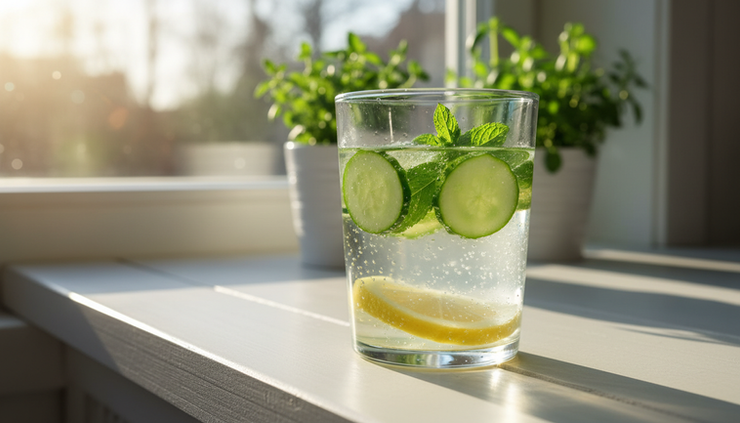
Lemon and cucumber slices
Lemon and fresh mint
Lemon with a small piece of ginger
Warm lemon water with breakfast
Cold lemon water after a morning walk
Skip large amounts of honey or sugar if the goal is to support acne-prone skin. A little sweetness now and then is fine for many people, but turning lemon water into lemonade changes the health profile of the drink.
What to pair with lemon water for better skin results
Lemon water works best when it is part of a bigger routine that supports the skin from several angles.
Start with breakfast. A skin-friendly breakfast does not need to be complicated. Aim for protein, fibre, and healthy fats. These can help keep energy steady and may support more balanced blood sugar.
Good examples include:
Greek yogurt with berries and chia seeds
Oatmeal with nuts and fruit
Eggs with whole-grain toast and vegetables
A smoothie with protein, spinach, berries, and unsweetened yogurt
Tofu scramble with vegetables
Next, keep skin care gentle. Acne-prone skin often gets treated too aggressively. Scrubbing, harsh toners, and too many active products can damage the skin barrier, which may lead to more redness and irritation.
A basic routine is often enough:
Gentle cleanser
Acne treatment if needed
Lightweight moisturizer
Sunscreen in the morning
Sunscreen matters even if acne is the main concern. UV exposure can darken post-acne marks and slow the fading process. In Canada, sunscreen is useful year-round, especially around snow, water, or high UV days.
Sleep also plays a role. Poor sleep can affect stress hormones and inflammation. A glass of lemon water cannot undo chronic sleep loss, but a consistent morning routine can support a more stable rhythm through the day.
The key is to avoid expecting one drink to do everything. Skin responds to repeated signals. Hydration, food, sleep, skin care, medication when needed, and stress management all add up.
The takeaway on lemon water and clear skin
Morning lemon water is not an acne cure, a detox treatment, or a replacement for proper skin care. Its value is simple: it helps many people drink more water, adds a small amount of vitamin C, and can replace sugary morning drinks that may not support acne-prone skin.
That makes it a useful habit, especially when paired with a balanced breakfast, gentle products, sunscreen, and consistent acne care.
If it feels good and does not bother your teeth or stomach, keep it. If it irritates you, skip it. Clearer, healthier skin comes from habits that are steady, gentle, and realistic enough to repeat.


Comments